


Devotions
Helz
Zizanion
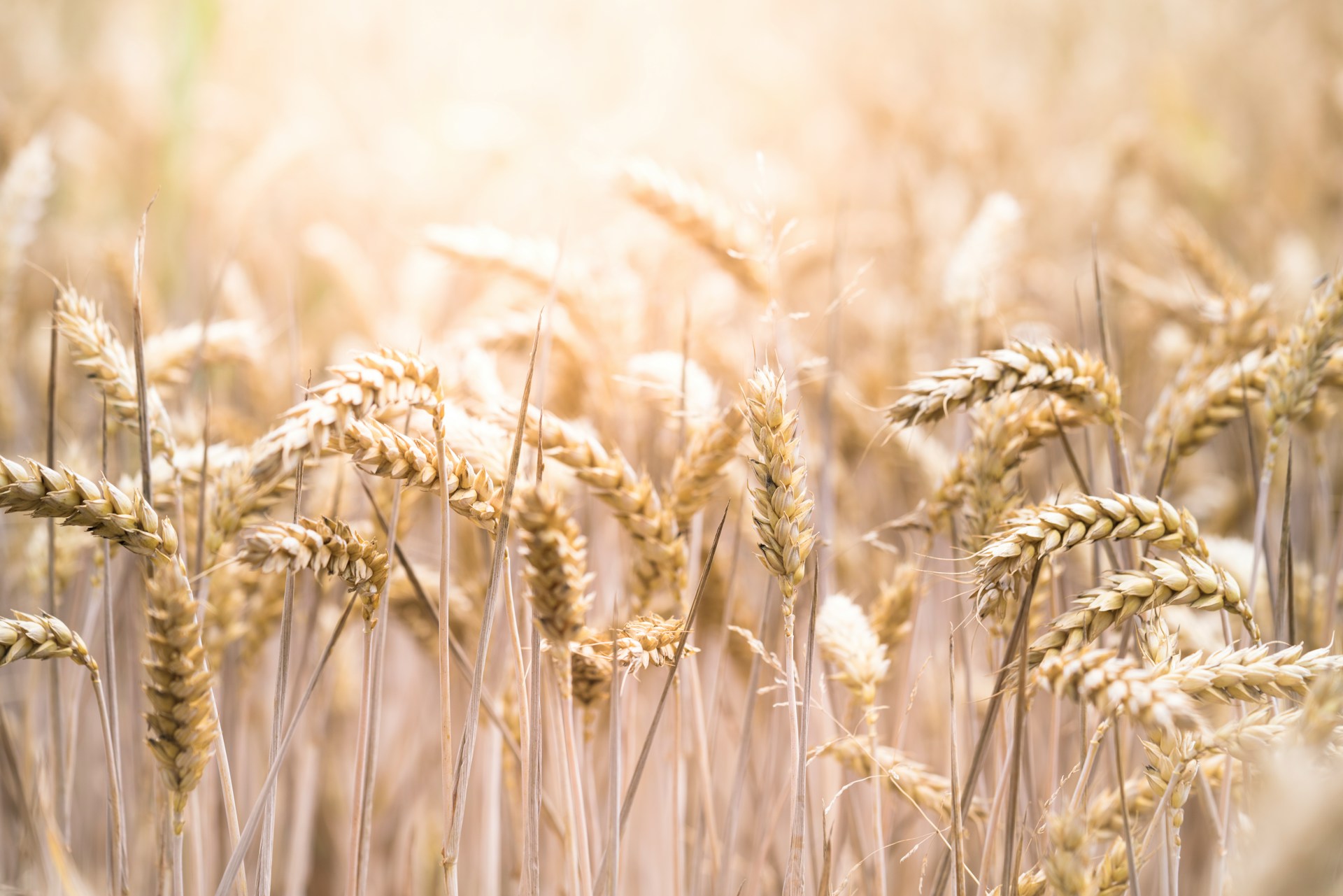
Matthew 13.24-30
He put before them another parable: “The kingdom of heaven may be compared to someone who sowed good seed in his field, but while everybody was asleep, an enemy came and sowed weeds among the wheat and then went away. So when the plants came up and bore grain, then the weeds appeared as well. And the slaves of the householder came and said to him, ‘Master, did you not sow good seed in your field? Where, then, did these weeds come from?’ He answered, ‘An enemy has done this.’ The slaves said to him, ‘Then do you want us to go and gather them?’ But he replied, ‘No, for in gathering the weeds you would uproot the wheat along with them. Let both of them grow together until the harvest, and at harvest time I will tell the reapers, Collect the weeds first and bind them in bundles to be burned, but gather the wheat into my barn.’ ”
Reflect
Hot on the heels of the parable of the sower comes this second ‘seedy’ story. In an effort to destroy the farmer’s crop, motivated by hostility, an ‘enemy’ takes matters into their own hands and attempts to sabotage the harvest.
Farmers faced the problem of sabotage if they had really annoyed someone. Perhaps they had been unjust or unfair in a business deal, or perhaps they had double-crossed someone who had trusted them. Whatever the reason, whilst everyone was sleeping, the wounded party took revenge by sowing weeds amongst the crop of wheat.
The Greek version of Matthew’s Gospel uses the phrase ‘zizanion’, which is translated into ‘weeds’ or ‘tares’, and is known to us as the plant called darnel, a kind of rice. Once planted, the zizanion would grow alongside the wheat plants, mimicking both its stalk and green colour. Only once the wheat and zizanion were fully ripe could the difference be seen, with the weed being more upright and sprouting purple-black, poisonous grain. If this were allowed to ripen fully, the grains would fall to the ground and would produce another crop the following year. This agricultural sabotage could take years to rectify, and of course, no farmer would be able to sell the zizanion as it was known to cause symptoms such as nausea, dizziness, and even death — so the whole crop would be lost. Someone had well and truly got their own back!
As the wheat in the parable ripened, the servants noticed that zizanion was growing alongside it and suggested to the owner that they weed it out immediately; however, the owner stopped them, knowing full well that the roots would be tangled together, and that trying to remove the weeds would also damage the growth of the wheat. He chose, instead, to wait until harvest time — until the wheat was ready — to separate the grain and the weeds.
Perhaps the slaves or servants in the parable represent us? Do we not question God about why suffering, pain, and evil deeds continue to grow and thrive in our world? Don’t we want to ‘weed out’ the causes of anguish and unhappiness? The parable reminds us that, though we do our best, we might have to wait until harvest time, when it the problem of evil and suffering will all be sorted out by the reapers. In the meantime, we are called to be humble, patient, and tolerant as we allow God to work in our lives.
Or perhaps the message is more simple? Perhaps we are the crop, and within each of us are tangled roots that are good and bad. We cannot remove the bad bits ourselves without damaging the rest of our beings, but God can. When it comes to the harvest, God will take away our bad bits and will gather the good bits into his barn.
Photo by Evi Radauscher on Unsplash
Pray
Loving God,
Weeds exist in my life,
but I thank you they do not
measure the harvest
that you value in me.
Guide me to make choices
that allow goodness to thrive,
and help me to remember
to be patient and tolerant.
You are the reaper
who will separate my
good bits from the bad,
and will welcome me
into the safety of your
barn at harvest time.
Amen









 and then